


Key Takeaways
- Arthur Hayes frames the AI buildout as a credit bust, not a dot-com repeat.
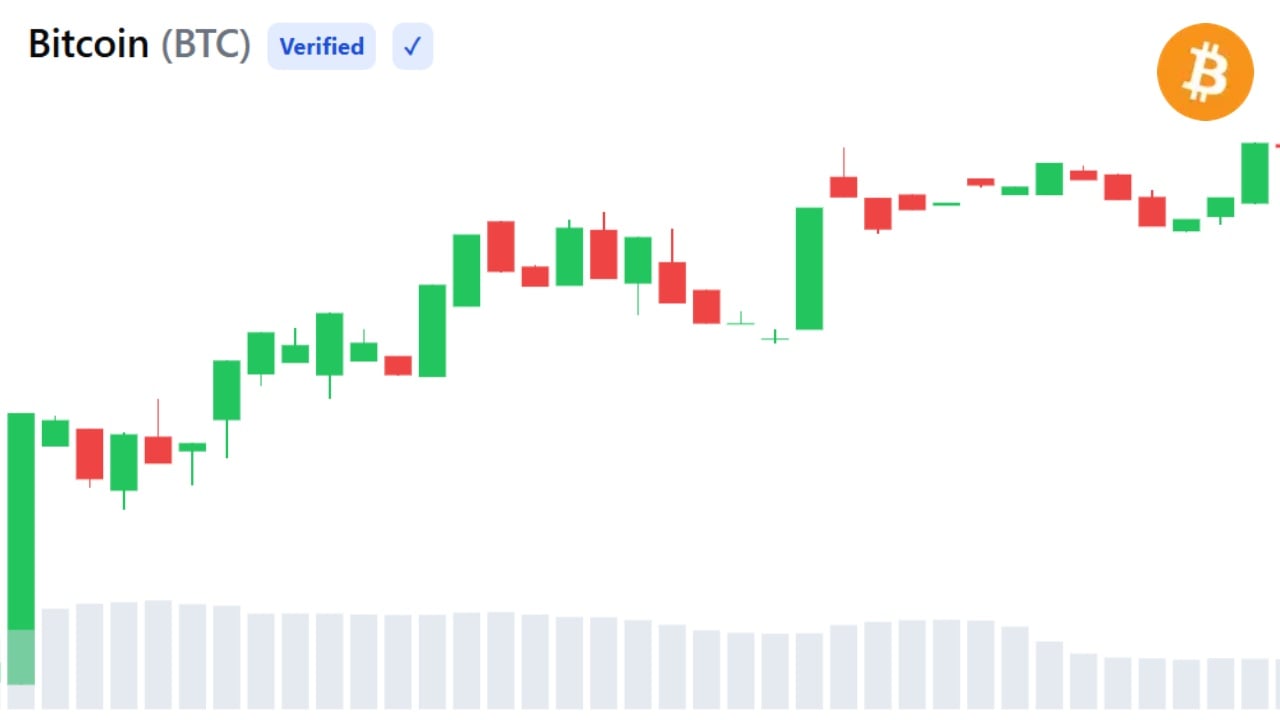
- Bitcoin may chop between $60,000 and $70,000, with downside to $50,000.
- He expects AI capex growth to decelerate in 2027, with the slowdown becoming apparent by 2028.
What Hayes Thinks the AI Buildout Really Is
Arthur Hayes, co-founder of Bitmex and chief investment officer at Maelstrom, argues that the multitrillion-dollar artificial intelligence infrastructure boom resembles a real estate credit bubble rather than a traditional technology expansion. In an essay titled “Situationship,” published on Aug. 4, Hayes compared data center financing to the 2008 financial crisis rather than the earnings-driven dot-com crash of 2000, arguing an AI credit bust could trigger government intervention and liquidity that propel bitcoin toward $1 million.
Hayes wrote:
“Once the authorities sufficiently panic because their AI-created GDP growth is just another run-of-the-mill property bubble, they will print money in sums greater than the 2008 GFC. This will ultimately drive bitcoin to one million and beyond.”
At the center of Hayes’ thesis are hyperscalers, large cloud companies building data centers used to train and run AI models. Hayes argues that these companies are effectively financing real estate filled with rapidly depreciating hardware. As newer chips produce more computing power with less electricity, lenders could eventually be left financing facilities filled with obsolete equipment.
Why the Fed and Treasury Keep the Credit Flowing
Market participants surveyed by the Federal Reserve have raised similar concerns, with AI-related risks ranking among the top near-term threats identified by respondents. The Federal Reserve Board’s May 2026 Financial Stability Report drew on 20 market contacts interviewed by New York Fed staff in March and April, who flagged equity valuations, debt-financed capital spending, potential labor market damage, and private credit as leading vulnerabilities. Half named AI as a possible shock, up from 30% in the fall 2025 survey.

Banks keep lending into that risk, according to Hayes, as short-term interest rates remain below nominal economic growth while longer-term yields rise. A steeper yield curve widens the spread between banks’ funding costs and lending rates, making loans more profitable. Hayes has repeatedly tied crypto entry points to Federal Reserve policy, including credit extended to data centers, rare earths miners, and weapons producers.
Hayes also sketches a hypothetical government-support mechanism using emergency lending powers. He estimates that the Exchange Stabilization Fund holds $28 billion, and with the 10x leverage used for past Fed-backed special purpose vehicles, Treasury Secretary Scott Bessent could direct roughly $280 billion into loss-making AI ventures. Hayes characterizes the intervention as equity-focused money creation rather than conventional quantitative easing.
Where Hayes Expects Bitcoin to Bottom
Bitcoin peaked in October 2025, then surrendered half its value as AI credit and equity absorbed the marginal dollar, according to Hayes’ analysis. He argues that capital flowing toward AI infrastructure reduced the liquidity available to support further bitcoin gains. Hayes has warned that the price may stall until liquidity returns.
He further wrote:
“Bitcoin chops between $60,000 to $70,000 for a while with a potential downside of $50,000.”
Strategy Inc. (Nasdaq: MSTR) hangs over the near-term picture, with Hayes arguing that investors must also work through concerns surrounding potential bitcoin sales by the corporate treasury company. His broader framework places liquidity, rather than adoption alone, at the center of bitcoin’s next major move. The same reasoning underpinned his earlier $125,000 year-end target as war spending flooded markets with cash.
Capital misallocation on this scale already exceeds subprime, Hayes argues, while the AI credit boom has reached a scale comparable with railroad investment as a share of gross domestic product. He expects excessive lending to eventually produce losses that force policymakers to inject substantially more liquidity into the financial system. Earlier versions of his thesis reached the same destination through different channels, including capital flight out of U.S. Treasuries.
Hayes added:
“This time around, bitcoin already exists and can now fulfil the dreams of many by hitting $1 million or higher.”
When Hayes Expects the Bubble to Crack
The timeline in the essay pushes any reckoning years out, with Hayes describing the current AI selloff as a correction inside a bull market that has yet to peak. He expects the announced pace of data center capital spending to decelerate from the middle of 2027, with the deceleration becoming clearly apparent during 2028.
Credit keeps expanding through that deceleration in his telling, repeating the 2006 to 2007 stretch when mortgage lending grew after U.S. house price gains had already slowed. Hayes expects the market to reward hyperscalers that cut capital budgets once cheaper Chinese frontier models undercut pricing and funding shifts from free cash flow to debt and equity issuance.