

Adobe Pivots to AI in 2026: A New Chapter for Creative and Business Software
Adobe’s not messing around anymore—2026 is the year it goes all-in on AI. After decades as the go-to name in creative and digital tools, Adobe’s now weaving artificial intelligence right through the centre of everything it does. This isn’t just about sprinkling in a few smart features; Adobe wants AI baked into the core of Creative Cloud, Experience Cloud, and Document Cloud—you name it. The move comes as everyone, from solo designers to giant companies, starts demanding tools that actually help them create, automate, and work smarter, not harder.
A Closer Look at Adobe’s AI Game Plan
Adobe’s been pouring resources into generative AI for a while now, but lately, the shift feels different. AI isn’t just another box on the features list—it drives the whole product roadmap. Instead of adding AI here and there, Adobe’s rebuilding flagship tools around it. You can see it firsthand at Adobe MAX events, where things like Generative Fill in Photoshop and new AI assistants aren’t sideshows—they’re the main event. Adobe wants AI to feel less like an optional upgrade and more like the engine running everything in the background.
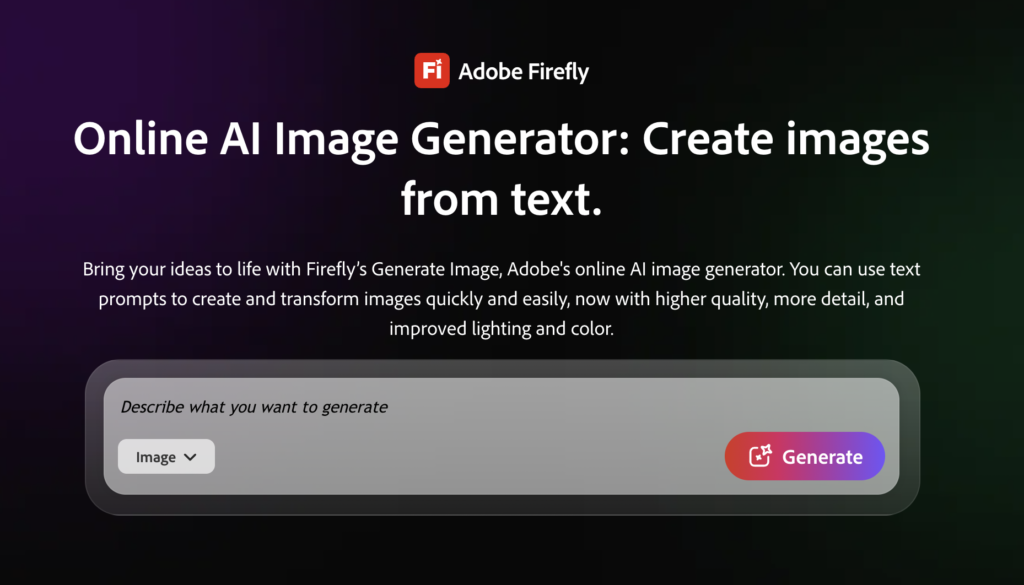
Firefly, Adobe’s generative AI engine, sits at the heart of this shift. It goes way beyond simple automation. Firefly helps you brainstorm, generate content, and experiment creatively, all inside the apps pros already use—Photoshop, Premiere Pro, Adobe Express, and more. These AI tools are designed to cut down on busywork, help teams hit deadlines, and keep output looking sharp and consistent.

Why This Matters for the Industry
Adobe’s big AI bet isn’t just a marketing push. It’s already changing how people use its software, from freelancers to massive enterprises. In India, for example, Adobe’s 2025 report shows AI assistants aren’t just answering questions anymore—they’re making decisions, acting on user intent, and delivering truly custom results. People want AI tools that don’t just nudge them in the right direction but actually take action.
The numbers back this up. Adobe’s stronger quarterly results and bullish 2026 outlook are tied directly to these AI investments. Analysts see partnerships with platforms like ChatGPT and possible new acquisitions expanding Adobe’s reach and making its software stickier than ever.
Not everyone’s sold, though. Some investors and analysts still have questions. Will AI drive long-term growth? Can Adobe outpace the flood of new cloud and AI competitors? The jury’s still out.
Cutting Loose the Old to Make Room for the New
If you’re looking for proof that Adobe’s serious, just check the product lineup. In early 2026, Adobe said they’d stop actively developing Adobe Animate, the classic 2D animation tool. Creators and animators weren’t happy, and Adobe had to clarify: Animate isn’t dead, but it’s moving to “maintenance mode.” That means security fixes and support will stick around, but new features? Don’t hold your breath. Adobe’s message is clear—they’re betting on AI-forward tools and putting legacy products on the back burner.
This isn’t just an Adobe thing. Across the industry, software giants are trimming old products to steer talent and resources toward AI—where all the growth and competition are happening.
Enterprise Workflows Get Smarter
Adobe’s AI push isn’t only about creatives. Businesses are getting plenty of love, too. Through new partnerships and platform updates, Adobe’s helping companies automate content ops, personalize marketing, and streamline customer experiences like never before. Enterprises use Experience Cloud, Document Cloud, and Creative Cloud together as a single, AI-powered backbone for their digital workflow.
What’s Changing for Users
If you’re a pro, a creator, or running a business, Adobe’s AI pivot in 2026 means a few big things:
– More automation: AI takes care of the repetitive stuff, so you can focus on the work that actually matters.
– Personalised results: Whether you’re cranking out marketing campaigns or building custom content, AI tunes the output to your needs.
– Legacy tools take a back seat: Apps like Animate move into maintenance mode, while Adobe shifts its best minds to building out new AI features.
Adobe’s not just keeping up with the times—it’s trying to set the pace. If you use their tools, you’ll feel the difference, for better or worse.